
There was a time in Nigeria when kidnapping was almost unheard of. Back in the late 80s and even parts of the early 90s, cases of abduction were extremely rare. It was the kind of crime people only heard about once in a long while, and when it happened, it shocked the entire nation because it was considered strange and unusual.
Life in Nigeria during those years was far from perfect, but there was a level of contentment in society that no longer exists today. The gap between the rich and the poor was not as extreme as it is now. The average Nigerian could still afford the basic necessities of life such as food, shelter, and clothing. Most families lived modestly, and while there were wealthy individuals, luxury was not constantly displayed in people’s faces every single day.
Back then, government officials commonly used Peugeot vehicles as official cars. These cars were respectable but not outrageously luxurious. Nigerian roads were filled mostly with regular vehicles, and only a few luxury cars existed. Even the luxury cars of that era did not possess the flashy appearance and intimidating status symbols attached to modern luxury automobiles today.
The world itself was also much simpler. Social media did not exist, and there was little pressure for people to constantly show off wealth, vacations, expensive purchases, or luxurious lifestyles. Without Instagram, TikTok, Facebook, and other digital platforms, there was less exposure to materialism and less unhealthy comparison between individuals. People were not bombarded every minute with images of extreme wealth and opulence.
As a result, society felt calmer, more balanced, and less desperate. Crime existed, but crimes such as kidnapping were nowhere near as rampant as they are today.
Nigeria’s population was also significantly lower at the time. Roads were less congested, infrastructure lasted longer due to lighter usage, and traveling across states was generally less stressful. There were fewer heavy-duty trucks damaging the highways, and many roads remained in relatively good condition.
However, things began to change rapidly during the 90s and early 2000s.
The rise of globalization, technological advancement, and the internet transformed the world completely. New industries emerged, businesses expanded, and many people suddenly gained access to opportunities capable of creating enormous wealth. Nigeria was not left out of this global transformation.
Unfortunately, while technology created opportunities for some, it also widened the gap between the rich and the poor. Corruption and poor governance worsened economic conditions for millions of Nigerians. Inflation increased, unemployment became a serious problem, and the average citizen found it increasingly difficult to survive.
While a small percentage of Nigerians took advantage of the internet age to build businesses, secure international opportunities, and accumulate massive wealth, millions of others were left behind. The difference between the wealthy and the struggling became painfully obvious.
Basic necessities that were once accessible slowly became luxuries. Feeding a family, paying hospital bills, renting decent accommodation, and even transportation became difficult for many ordinary Nigerians. Society gradually evolved into a harsh environment where survival became the priority.
This economic hardship contributed heavily to the rise in violent crimes, including kidnapping.
Many desperate youths began to see wealthy individuals not as fellow citizens, but as opportunities for financial gain. In some parts of the country, especially within certain regions in the South-South and South-East, kidnapping for ransom gradually became normalized among criminal groups. Some criminals even began to justify their actions with a dangerous “Robin Hood mentality” — convincing themselves they were merely taking money from the rich.
Over time, kidnapping evolved into an organized criminal enterprise involving informants, insiders, drivers, security leaks, and armed gangs operating across highways and communities.
Today, kidnapping has become one of the greatest fears of many Nigerians.
For that reason, personal security awareness has become extremely important. Below are some practical ways to reduce the chances of becoming a victim.
1. Avoid Traveling at Night
Night travel remains one of the greatest risks on Nigerian roads today. Criminals prefer operating under the cover of darkness because visibility is poor and traffic is lighter. This reduces the chances of intervention by law enforcement officers or passersby.
Many kidnappings occur late at night or during very early morning hours when roads are isolated. Once a vehicle is intercepted at night, victims often have very little chance of getting immediate help.
No matter how urgent a trip may seem, it is always safer to travel during daylight hours whenever possible. To mitigate risk, security experts and transport unions highly advise restricting long-distance travel to daylight hours, ideally between 6:00 a.m. and 3:00 p.m.
2. Avoid Asking Strangers for Directions While Driving Expensive Cars
Many Nigerians are naturally friendly and often stop to ask strangers for directions in unfamiliar places. While this may appear harmless, it can sometimes expose travelers to danger.
Criminal networks often rely on local informants who monitor movements within certain areas. Someone standing by the roadside may appear innocent but could secretly pass information to kidnappers nearby.
This does not mean every roadside trader or passerby is a criminal, but travelers should exercise caution, especially in unfamiliar territories.
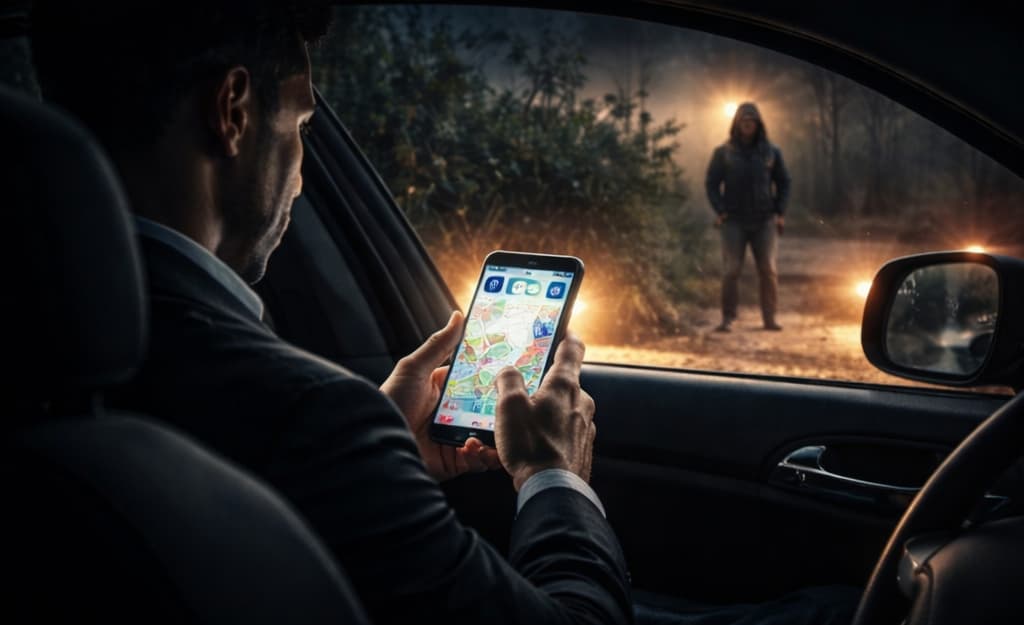
Using digital navigation tools like Google Maps is often a safer alternative. Modern navigation apps can help drivers avoid unnecessary interactions and reduce the chances of being misled into dangerous routes.
3. Bad Roads Increase Vulnerability
Poor road conditions create perfect opportunities for kidnappers. Even the fastest or most expensive SUV becomes slow and vulnerable on damaged roads filled with potholes or traffic bottlenecks.
Criminals often target areas where vehicles are forced to reduce speed. Once movement becomes difficult, it becomes easier for armed gangs to block roads and attack motorists.
Before traveling, it is wise to make inquiries about the condition of the roads and the security situation along the route. A simple phone call or proper research could prevent a dangerous encounter.
4. Keep Your Movements Private
Oversharing personal information can be extremely dangerous.
Many kidnapping operations succeed because criminals receive information from people close to the victim. Sometimes it may come from casual conversations with friends, workers, neighbors, or even distant acquaintances.
Constantly announcing travel plans, hotel locations, business meetings, or movement schedules can expose individuals unnecessarily.
The less people know about your exact location and plans, the safer you are likely to be.
5. Be Careful Who You Share Your Success With
Success naturally brings excitement, and many people enjoy sharing good news with friends and associates. However, not everyone celebrating with you genuinely wishes you well.
Revealing sensitive financial information — such as major contracts, business deals, large payments, or expensive purchases — can attract dangerous attention.
Kidnappers often operate based on information. In many cases, victims are targeted not because of the car they drive, but because someone leaked details about their financial status.
Wisdom and discretion are extremely important, especially in an environment where desperation is increasing daily.
6. Avoid Moving Around Alone Constantly
Driving alone may feel convenient, but it can also make a person an easier target.
Criminals are often discouraged by visible security presence. Escorts, security personnel, or even traveling in groups can significantly reduce vulnerability to attacks.
High-profile individuals, business owners, politicians, and celebrities frequently use escorts because visibility and wealth naturally attract attention.
While not everyone can afford private security, minimizing isolated movements can still improve personal safety.
Final Thoughts
Nigeria has changed dramatically over the decades. Economic hardship, rising inequality, unemployment, corruption, and social pressure have all contributed to the increase in violent crimes such as kidnapping.
While the situation is unfortunate, awareness and caution remain extremely important. In today’s society, security is no longer something people can afford to ignore.
Being careful does not mean living in fear. It simply means understanding the realities of the environment and taking practical steps to protect yourself and your loved ones.
At the end of the day, prevention will always be better than becoming another tragic headline.
Need Professional Security Services?
At DCommando Security, we understand the importance of professionalism, discipline, conflict de-escalation, and lawful security operations.
Whether you require:
- Corporate security services
- Event security
- VIP protection
- Residential security
- Security consultancy
- Trained guards for businesses and estates
our experienced team is committed to delivering reliable and professional security solutions tailored to your needs.
Explore our services here:

James Godwin is the founder and Chairman of Dcommando Security Group. His passion to protect against insecurity has led him to establish the company in 2015. He aims to offer protection for lives, properties and businesses so the client can focus on what truly matters – productivity and excellence at work. He is a native of the Ukwuani people in Delta, but resides in Lagos.