
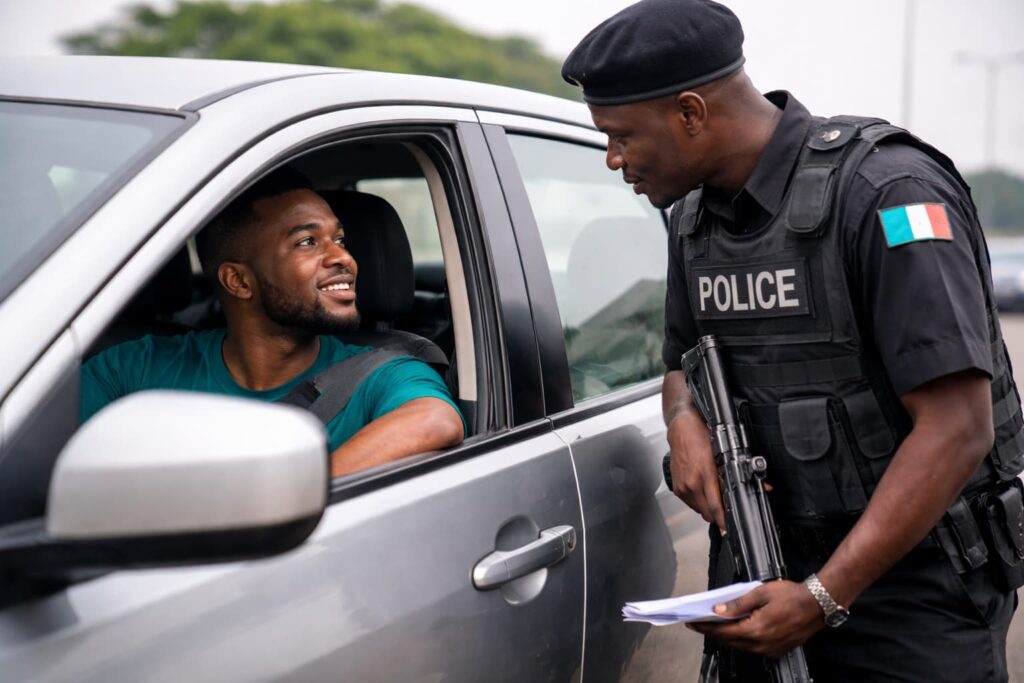
Police brutality and abuse of power remain major concerns in Nigeria. Over the years, countless innocent citizens have reported cases of intimidation, unlawful detention, extortion, harassment, and physical assault at the hands of a few rogue officers within the Nigeria Police Force. While there are many professional and disciplined officers serving the nation honourably, the misconduct of some has significantly damaged public trust in law enforcement.
One of the most notable examples was the widespread abuse allegedly committed by members of the now-defunct Special Anti-Robbery Squad (SARS), particularly against young Nigerians perceived to be internet fraudsters, popularly referred to as “Yahoo boys.” Reports of unlawful arrests, torture, extortion, and extra-judicial actions eventually triggered the nationwide #EndSARS protests in 2020 — a movement that attracted global attention and sparked conversations about police reform in Nigeria.
Unfortunately, some corrupt officers still take advantage of citizens who are unaware of their constitutional rights. Motorists, pedestrians, and young professionals are often targeted simply because they appear financially comfortable, carry laptops, use expensive phones, or drive good cars.
However, knowing your rights and understanding how to properly conduct yourself during encounters with law enforcement can significantly reduce the chances of escalation.
Before proceeding, it is important to make one thing clear: the steps discussed in this article are intended for law-abiding citizens. Exercising your rights effectively works best when you are not involved in any criminal activity. As the popular saying goes, “A clear conscience fears no accusation.”
With that said, here are some practical ways to handle police high-handedness and protect yourself during police encounters in Nigeria.
1. Stage One: The Encounter
When stopped by a police officer during a stop-and-search operation — whether you are driving or walking — your first reaction matters a lot.
Remain calm. Avoid sudden movements, aggressive language, or confrontational behaviour. Many police encounters escalate because both parties become tense from the onset.
Instead, maintain eye contact and greet the officer politely and confidently. In many situations, adopting a calm and respectful tone immediately reduces suspicion and tension. In Nigeria, using simple Pidgin English can also help create a more relaxed atmosphere.
You may politely address the officer by name if it is visible on the uniform badge. For example:
- “Good evening officer, how work?”
- “Officer Musa, I hail o. Hope everything dey fine?”
- “Boss, how your side?”
This simple approach humanizes the interaction and often changes the tone of the encounter completely. Many officers are accustomed to hostility, fear, or panic from road users. A calm and respectful attitude may encourage them to treat you with more professionalism.
At times, an officer may jokingly or indirectly ask for a bribe with statements like:
- “Anything for the boys?”
- “How you go take appreciate us?”
- “You no get something for weekend?”
You are under no legal obligation to give money. A polite smile and a casual response such as “Nothing much for now, officer” is usually sufficient.
Avoid insults, sarcasm, or arguments.
2. Stage Two: The Document Check
If you are driving, officers may request your vehicle documents. To avoid unnecessary delays, ensure your documents are complete, valid, and easily accessible.
It is advisable to keep photocopies neatly arranged in a laminated folder or spiral-bound booklet. This presents you as an organized and law-abiding citizen.
Important vehicle documents include:
- Driver’s Licence
- Vehicle Licence
- Certificate of Road Worthiness
- Insurance Certificate
- Proof of Ownership
- Allocation of Registration Number
- Change of Ownership Documents (for used vehicles)
- e-CMR (Electronic Central Motor Registry)
- Tinted Glass Permit (if applicable)
Always renew expired documents promptly. Expired documents give officers legitimate grounds for questioning or penalties.
Also, avoid keeping suspicious-looking items openly inside your vehicle. While you may be innocent, unnecessary misunderstandings can create avoidable stress.
3. Stage Three: The Search
In some situations, officers may insist on conducting a search.
If you are a pedestrian, you may politely insist that a same-gender officer conducts the search where possible.
If you are driving, step out of the vehicle calmly and observe the process closely. It is wise to keep your phone with you during the interaction.
Where legally permissible and safe, you may record the encounter for your protection. Video evidence has helped expose unlawful conduct in several high-profile incidents across Nigeria.
However, avoid physically obstructing officers or creating a scene that could escalate tensions unnecessarily.
Professional officers who see that you are cooperative, calm, and informed about your rights will often conclude the search quickly and allow you to leave.
4. Stage Four: Delays, Intimidation, and Illegal Demands
This is the stage many citizens unfortunately encounter.
Some officers may deliberately delay you in the hope that frustration will push you into offering money. Others may begin fishing for excuses to implicate you.
Remain calm and disciplined.
Do Not Offer Bribes
Offering money to law enforcement officers is illegal under Nigerian law and also fuels corruption within the system.
The Corrupt Practices and Other Related Offences Act (ICPC Act) criminalises bribery and corrupt inducement in Nigeria.
You can read the Act here:
Corrupt Practices and Other Related Offences Act (ICPC Act)
Phone Searches
One of the most controversial practices in recent years has been the unlawful search of citizens’ phones by some officers.
Many legal experts and human rights advocates maintain that police officers generally require lawful justification — and in many cases proper authorization — before searching the contents of a citizen’s personal device.
If asked to unlock your phone, remain respectful but firm. Avoid aggression or insults.
You may calmly state:
- “Officer, with due respect, I am not comfortable with an unlawful search of my phone.”
- “Please, can this be done through the proper legal process?”
Avoid making sudden movements or escalating the situation emotionally.
5. Know Emergency Complaint Channels
Many Nigerians do not realize that police misconduct can be reported immediately.
If you believe an officer is acting unlawfully, you may contact the appropriate complaint channels.
The Nigeria Police Force Complaint Response Unit (CRU) was created to receive reports of police misconduct from citizens.
CRU Hotlines:
- 0913 333 3785
- 0913 333 3786
You can also search online for the official contact details of your state’s Police Public Relations Officer (PPRO).
For example:
- “Lagos State PPRO official number”
- “Abuja Police PPRO contact”
Having these numbers saved beforehand can be extremely useful during emergencies.
6. Real-Life Lessons from #EndSARS
The #EndSARS protests of 2020 became a defining moment in modern Nigerian history.
Thousands of young Nigerians shared personal experiences involving alleged harassment, unlawful arrests, extortion, assault, and intimidation by rogue officers. Viral videos and testimonies on social media exposed patterns of abuse that many citizens had quietly endured for years.
The protests eventually led to the official dissolution of SARS by the Nigerian government, although conversations about accountability and police reform continue today.
One major lesson from that period is this: citizens must know their rights, document unlawful actions where possible, and remain united in demanding professionalism and accountability from law enforcement agencies.
At the same time, citizens must also cooperate with legitimate security operations and avoid obstructing officers carrying out lawful duties.
A balanced relationship between citizens and law enforcement is essential for national security and public trust.
7. Final Thoughts
Encountering police officers in Nigeria can sometimes be stressful, but panic, aggression, or disrespect often worsen the situation.
Being calm, respectful, organized, and informed about your rights can make a significant difference during police encounters.
Most importantly:
- Avoid illegal activities
- Keep your documents complete
- Know your rights
- Remain respectful
- Avoid offering bribes
- Report misconduct through proper channels
A safer society can only be built when both citizens and law enforcement officers operate within the boundaries of the law.
Need Professional Security Services?
At DCommando Security, we understand the importance of professionalism, discipline, conflict de-escalation, and lawful security operations.
Whether you require:
- Corporate security services
- Event security
- VIP protection
- Residential security
- Security consultancy
- Trained guards for businesses and estates
our experienced team is committed to delivering reliable and professional security solutions tailored to your needs.
Explore our services here:

Tony Chionye Jays is an educationist, software developer, writer, and published author with a passion for technology, research, and social commentary. An avid autodidact, he enjoys exploring diverse subjects ranging from education and software development to security awareness and contemporary societal issues.
When he is not preparing students for their O’Level examinations, Tony spends his time building web applications, writing code, and contributing insightful articles on practical life topics.
He is the webmaster of DCommando Security and a regular contributor to the company’s blog, where he writes on security awareness, public safety, and everyday experiences relevant to Nigerians.
Originally from Ukwuani in Delta State, Tony currently resides in Lagos, Nigeria.